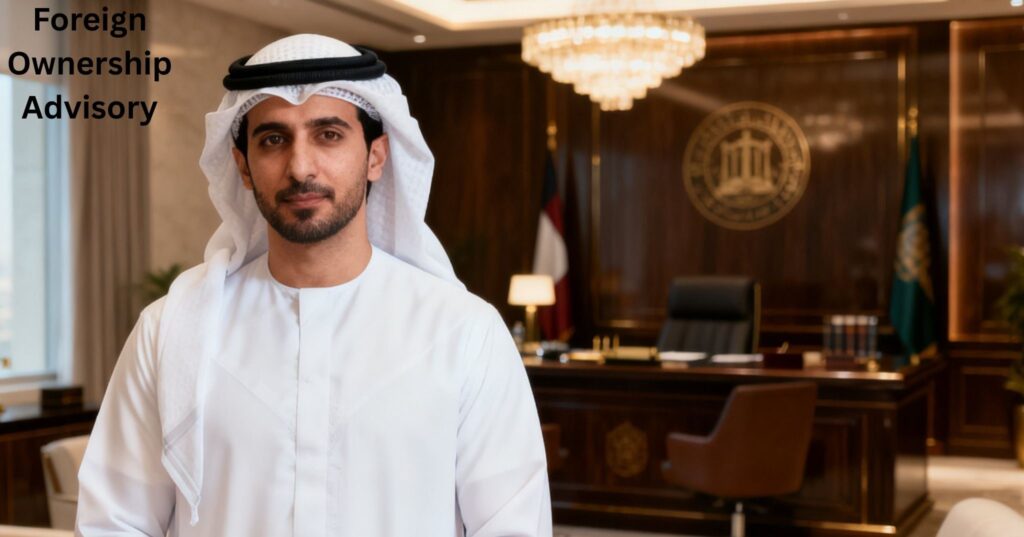
Establishing a commercial presence in an unfamiliar market demands precise statutory interpretation and a thorough understanding of local regulatory standards. Within the United Arab Emirates, recent legislative updates have completely altered the landscape for multinational organizations, venture capital firms, and individual entrepreneurs aiming to build a footprint in the region. Navigating these regulatory avenues requires highly structured planning, particularly when analyzing the corporate configurations permitted across various economic zones.
At DubaiAdvocates.ae, our legal team, operating under the senior leadership of Adv. Ibrahim Khaleel, delivers strategic corporate structuring assessments that align with both federal mandates and emirate-level decrees. By prioritizing institutional governance and strict compliance, we ensure our clients’ cross-border entities are resilient, legally compliant, and structured for long-term growth.
The Evolution of Corporate Structuring Norms under UAE Federal Law
Historically, international businesses operating within the UAE mainland had to adhere to strict structural constraints regarding capital allocation and corporate control. The foundational regulatory landscape required foreign entities to partner with a local UAE national, who was mandated to hold a majority equity stake of at least 51% in any mainland Limited Liability Company (LLC). This framework was designed to integrate domestic stakeholders directly into incoming foreign direct investment.
However, the modern regulatory landscape underwent a dramatic shift with the enactment of Federal Decree-Law No. 32 of 2021 on Commercial Companies. This landmark piece of legislation effectively institutionalized major amendments previously introduced under Federal Decree-Law No. 26 of 2020. The primary advancement brought forth by this statutory update was the formal removal of the mandatory 51% local national ownership threshold for a vast majority of commercial activities conducted on the mainland.
As a result, corporations can now establish wholly-owned operations within the UAE mainland across hundreds of service, trading, and manufacturing categories. This shift eliminates the need for side agreements or complex corporate masking arrangements, significantly improving corporate transparency and transactional security.
Distinguishing Strategic Impact Sectors from Fully Liberalized Activities
While the liberalization of corporate structures under Federal Decree-Law No. 32 of 2021 has unlocked major avenues for international enterprise, it is not an absolute, blanket rule across all fields. The UAE federal government retains an essential layer of oversight over economic sectors deemed vital to public interest, state infrastructure, and national security. These are legally classified as sectors with a “strategic impact.”
Pursuant to the resolutions issued by the UAE Cabinet under the recommendation of specialized ministerial committees, several primary industries remain restricted from total expatriate equity dominance. These preserved sectors typically encompass:
- Security, defense, and military manufacturing activities
- Banking, insurance, and specialized financial sector operations
- Telecommunications and core utilities infrastructure
- Commercial agencies and specific heavy transportation sectors
For businesses operating within these strategic sectors, the competent local regulatory departments—such as the Department of Economy and Tourism (DET) in Dubai—maintain distinct ownership limits. In these specific fields, companies are often required to maintain either a traditional 51% UAE national equity partner or secure bespoke regulatory exemptions from the relevant federal ministries. Identifying the exact categorization of an intended business activity prior to filing incorporation documents is a fundamental compliance step.
The Role of Local Economic Departments and Federal Ministries
Executing a legally sound market-entry strategy requires direct engagement with multiple regulatory authorities across both federal and local levels. Each public entity plays a specific, defined role in reviewing, processing, and certifying corporate formations.
The Ministry of Economy acts as the primary federal authority overseeing national economic policies, corporate registries, and intellectual property protections. The Ministry ensures that all corporate entities operating within the borders conform to broad statutory guidelines.
On an emirate-level, the Department of Economy and Tourism (DET) in Dubai (formerly known as the Department of Economic Development or DED) holds direct jurisdiction over licensing operations on the mainland. The DET is responsible for compiling and updating the official lists of commercial activities approved for 100% expatriate equity control.
Furthermore, when corporate formations involve specialized industries, secondary approvals must be secured from sector-specific regulators:
- The Central Bank of the UAE (CBUAE): Required for banking, credit institutions, and payment processing entities.
- The Securities and Commodities Authority (SCA): Required for public joint-stock companies, asset management firms, and investment funds.
- The Dubai Health Authority (DHA): Required for medical facilities, diagnostic centers, and healthcare ventures.
Free Zone Jurisdictions versus Mainland Structuring: A Legal Comparison
A frequent point of analysis for expanding enterprises is whether to base operations on the Dubai mainland or within one of the numerous specialized free zones. Each option presents a distinct legal framework, geographic boundary, and operational scope.
Mainland entities, licensed under the DET, hold the legal right to trade freely across the entire domestic market and bid directly on public government tenders without regulatory restrictions. These companies are subject to the standard provisions of Federal Decree-Law No. 32 of 2021 and must ensure compliance with mainland corporate tax requirements.
Conversely, free zones are geographically or legally demarcated enclaves that operate under custom, specialized corporate rules. Prominent examples include the Jebel Ali Free Zone (JAFZ), the Dubai Multi Commodities Centre (DMCC), and the Dubai Airport Free Zone (DAFZA).
| Feature / Metric | Dubai Mainland (DET Licensed) | Standard UAE Free Zones (DMCC, JAFZ, etc.) |
| Expatriate Equity Control | Up to 100% (excluding strategic sectors) | 100% absolute control across all permitted sectors |
| Geographic Scope of Trade | Unrestricted domestic and international markets | Limited to the specific zone and international trade |
| Physical Office Mandate | Required within mainland Dubai | Required within the physical perimeter of the zone |
| Government Procurement | Permitted to bid directly on public contracts | Requires a mainland branch or intermediary partner |
While free zones have historically been favored for offering absolute foreign ownership prior to the 2021 mainland reforms, they limit an entity’s ability to provide services or retail goods directly to the onshore domestic market without engaging a local distributor or establishing a mainland branch office.
Dual Licensing Strategies and Mainland Branch Formations
For international enterprises that want to preserve a corporate core within a free zone while accessing the onshore consumer base, the UAE legal system provides dual-licensing frameworks and branch options. These methods allow entities to bridge the gap between distinct jurisdictions without dissolving existing corporate structures.
Under the guidelines issued by the Ministry of Economy and local economic departments, an offshore or free zone corporation can establish an officially registered Mainland Branch. This vehicle is legally considered an extension of the parent company rather than a separate corporate personality. Consequently, the parent company retains full operational liability for the branch’s undertakings.
Crucially, following recent statutory revisions, mainland branches of foreign companies are no longer legally mandated to appoint a UAE National Service Agent (commonly referred to as a Local Service Agent or LSA). This update removes administrative and financial overheads, giving international boards direct, unmediated control over their mainland branch operations.
Corporate Governance and Nominee Shareholder Risk Mitigation
Before the widespread implementation of the 100% ownership framework on the mainland, many international investors utilized informal corporate arrangements known as nominee structures. Under these setups, a UAE national held 51% of the shares as a nominee, while side contracts (such as nominee shareholder agreements or trust declarations) assigned all economic rights, profits, and management control back to the 49% foreign investor.
From a contemporary legal perspective, relying on these legacy nominee arrangements carries significant structural and litigation risks. The Dubai Courts and federal judicial bodies emphasize transparency, accurate registration, and strict compliance with anti-money laundering protocols. If a dispute arises over profit distributions or corporate asset sales, agreements that deliberately obscure the true beneficial ownership of an entity may face severe scrutiny if they conflict with statutory registration requirements.
Regulatory Warning
Anti-fronting provisions and general commercial codes require corporate registries to accurately reflect the true beneficial owners of an enterprise. Legacy trust arrangements intended to bypass public policy mandates can be declared null and void by judicial authorities, leaving the foreign investor vulnerable to sudden loss of operational control or asset seizure.
To mitigate these risks, organizations with existing nominee agreements should undergo a formal restructuring process. Converting these older structures into a fully compliant, 100% expatriate-owned corporate format under Federal Decree-Law No. 32 of 2021 helps safeguard capital investments and ensures alignment with modern regulatory expectations.
Financial Free Zones: Financial Regulatory Independence in the DIFC and ADGM
When advising institutional fund managers, fintech startups, investment banks, or multinational conglomerates, corporate structuring discussions frequently center on the UAE’s premier financial free zones: the Dubai International Financial Centre (DIFC) and the Abu Dhabi Global Market (ADGM).
These jurisdictions are entirely unique because they operate under independent legal and regulatory frameworks distinct from both the UAE mainland and standard commercial free zones. The DIFC and ADGM possess their own civil and commercial laws, heavily modeled on English Common Law principles. They also feature their own independent, English-language judiciaries: the DIFC Courts and the ADGM Courts.
Financial institutions operating within these zones are regulated by specialized bodies: the Dubai Financial Services Authority (DFSA) in the DIFC, and the Financial Services Regulatory Authority (FSRA) in the ADGM. These zones permit unrestricted foreign ownership and capitalize on an established common-law framework, making them excellent choices for international joint ventures, private equity funds, and complex holding company configurations.
Dispute Resolution Venues: Onshore Dubai Courts vs. Common Law Forums
A critical element of any corporate asset protection plan is selecting an appropriate forum for dispute resolution. If a commercial or contractual disagreement arises, the choice of jurisdiction determines the governing legal principles, the language of the proceedings, and the enforcement mechanisms for subsequent judgments.
Onshore disputes falling within mainland Dubai are filed before the Dubai Courts. These courts operate under a civil law tradition based on codified statutes, with Arabic as the mandatory language for all formal pleadings, briefs, and oral arguments. Judgments issued by the Dubai Courts are directly executed against onshore assets through the court’s enforcement division.
Conversely, if a business structure is based within the DIFC or ADGM—or if mainland contracting parties explicitly agree to opt into their jurisdiction—disputes are adjudicated by the DIFC Courts or ADGM Courts. These forums operate entirely in English, rely heavily on judicial precedents, and are staffed by international judges drawn from leading common-law jurisdictions worldwide.
Additionally, for parties seeking private dispute resolution, the Dubai International Arbitration Centre (DIAC) offers an efficient forum for conducting complex commercial arbitrations under modernized procedural rules.
Real Estate Ownership Frameworks for Foreign Corporate Entities
A natural secondary consideration for international businesses expanding into the UAE is acquiring commercial or residential real estate to support their operations and workforce. Real estate ownership rights for non-UAE nationals are strictly governed by emirate-level real property registrations.
In Dubai, Dubai Law No. 7 of 2006 concerning Real Property Registration in the Emirate of Dubai establishes the definitive legal framework. Under Article 4 of this law, non-UAE and non-GCC citizens are permitted to acquire absolute freehold ownership, usufruct rights, or long-term leasehold rights up to 99 years, restricted exclusively to specific geographic zones designated as “freehold areas.”
When an international corporation wishes to buy real estate within an approved freehold zone, the transaction must be processed through the Dubai Land Department (DLD). The DLD enforces strict guidelines regarding which corporate vehicles can hold real estate titles.
Generally, standard onshore LLCs or specific approved free zone structures (such as holding companies registered within the DMCC or JAFZ) are permitted to hold title to real estate, provided they present clear documentation detailing their ultimate beneficial owners (UBOs) to the registry.
The Role of DubaiAdvocates.ae Lawyers and Legal Consultants
Successfully expanding a commercial operation into the UAE requires more than just filling out standard registration forms; it demands a comprehensive, forward-looking legal strategy. The legal professionals and corporate structuring advisors at DubaiAdvocates.ae, operating under the guidance of Adv. Ibrahim Khaleel, provide strategic counsel designed to protect our clients’ intellectual and financial capital.
Our team excels at navigating regulatory overlaps between federal economic ministries, local licensing departments, and financial free zone regulators. We provide direct support across multiple key stages, including:
- Drafting and reviewing Articles of Association and corporate governance policies.
- Evaluating business activities to verify eligibility for 100% expatriate equity control.
- Restructuring legacy nominee shareholding setups to eliminate operational risks.
- Representing client interests in commercial disputes before the Dubai Courts, DIFC Courts, and DIAC arbitration panels.
By combining practical regional experience with an in-depth understanding of corporate law, Adv. Ibrahim Khaleel and the team ensure your enterprise begins its UAE operations on a highly compliant foundation.
Overvview
English
The UAE legal framework governing corporate configurations has evolved significantly following the implementation of Federal Decree-Law No. 32 of 2021 on Commercial Companies. This statute effectively removed the historic requirement for a local UAE national partner to hold a 51% equity stake in mainland entities, permitting up to 100% foreign ownership across a vast array of commercial and industrial sectors. Strategic-impact sectors remain subject to specific local restrictions. Additionally, financial free zones like the DIFC and ADGM offer independent, common-law based jurisdictions for specialized corporate operations. Understanding the distinctions between mainland licensing and free zone regulations is crucial for compliance. DubaiAdvocates.ae provides tailored guidance to ensure robust structural alignment with UAE law.
Arabic (ملخص باللغة العربية)
تطور الإطار القانوني لدولة الإمارات العربية المتحدة الحاكم لتأسيس الشركات بشكل جذري بعد صدور المرسوم بقانون اتحادي رقم (32) لسنة 2021 بشأن الشركات التجارية. ألغى هذا التشريع الشرط التاريخي الذي كان يلزم بوجود شريك مواطن يمتلك 51% من أسهم الشركات في المناطق البرية (المحلية)، مما أتاح التملك الأجنبي الكامل بنسبة تصل إلى 100% في مجموعة واسعة من القطاعات التجارية والصناعية. ومع ذلك، تظل القطاعات ذات الأثر الاستراتيجي خاضعة لقيود محلية محددة. علاوة على ذلك، توفر المناطق الحرة المالية مثل مركز دبي المالي العالمي (DIFC) وسوق أبوظبي العالمي (ADGM) سلطات قضائية مستقلة قائمة على القانون العام للعمليات الشركاتية المتخصصة. إن فهم الفروق بين ترخيص المناطق البرية وأنظمة المناطق الحرة يعد أمرًا بالغ الأهمية لضمان الامتثال القانوني. ويقدم مكتب دبي للمحاماة (DubaiAdvocates.ae) استشارات قانونية متخصصة لضمان التوافق الهيكلي التام مع قوانين الدولة.
French Summary (Résumé en Français)
Le cadre juridique des Émirats arabes unis régissant les structures d’entreprise a considérablement évolué suite à l’application du décret-loi fédéral n° 32 de 2021 sur les sociétés commerciales. Cette loi a supprimé l’obligation historique d’un partenaire national émirati détenant 51 % des parts dans les entités du “Mainland”, autorisant ainsi une propriété étrangère à 100 % dans de nombreux secteurs commerciaux et industriels. Les secteurs à impact stratégique restent soumis à des restrictions locales spécifiques. De plus, les zones franches financières comme le DIFC et l’ADGM offrent des juridictions indépendantes basées sur la Common Law. Comprendre les distinctions entre les licences du Mainland et les réglementations des zones franches est essentiel pour la conformité. DubaiAdvocates.ae fournit des conseils sur mesure pour garantir un alignement structurel solide avec la législation des ÉAU.
Russian Summary (Резюме на русском)
Законодательная база ОАЭ, регулирующая корпоративные структуры, претерпела существенные изменения после вступления в силу Федерального декрета-закона № 32 от 2021 года о коммерческих компаниях. Данный нормативный акт отменил историческое требование о обязательном наличии местного партнера — гражданина ОАЭ с долей участия не менее 51% в материковых компаниях (Mainland), разрешив до 100% иностранного владения в широком спектре коммерческих и промышленных секторов. Секторы стратегического значения по-прежнему подлежат особым локальным ограничениям. Кроме того, финансовые свободные зоны, такие как DIFC и ADGM, предлагают независимые юрисдикции, основанные на английском общем праве. Понимание различий между материковым лицензированием и правилами свободных зон имеет решающее значение для соблюдения законодательства. Специалисты DubaiAdvocates.ae предоставляют индивидуальные решения для обеспечения надежного соответствия правовым нормам ОАЭ.
Chinese Summary (中文摘要)
随着2021年关于商业公司的第32号联邦法令 section 的实施,阿联酋管辖公司结构的法律框架发生了重大演变。该法案有效取消了以往要求本地阿联酋国民合伙人必须在本土(Mainland)实体中持有51%股份的传统限制,允许外国投资者在绝大多数商业和工业领域中享有高达100%的独资所有权。然而,具有战略影响力的特定行业仍受到地方行政部门的特殊限制。此外,迪拜国际金融中心(DIFC)和阿布扎比全球市场(ADGM)等金融自由区为专门的金融资本运作提供了基于普通法的独立司法管辖区。深入理解本土执照与自由区法规之间的核心差异对于企业合规至关重要。DubaiAdvocates.ae 提供量身定制的法律合规指导,确保企业结构完全符合阿联酋法律。
Italian Summary (Riepilogo in Italiano)
Il quadro giuridico degli Emirati Arabi Uniti che disciplina le strutture societarie si è evoluto in modo significativo a seguito dell’attuazione del Decreto Legge Federale n. 32 del 2021 sulle Società Commerciali. Questa norma ha eliminato lo storico requisito del partner locale emiratino con una quota del 51% nelle entità onshore (Mainland), consentendo la proprietà straniera al 100% in una vasta gamma di settori commerciali e industriali. I settori ad impatto strategico rimangono soggetti a specifiche restrizioni locali. Inoltre, le zone franche finanziarie come il DIFC e l’ADGM offrono giurisdizioni indipendenti basate sulla Common Law per operazioni societarie specializzate. Comprendere le distinzioni tra le licenze onshore e le normative delle zone franche è fondamentale per la conformità. DubaiAdvocates.ae offre una consulenza personalizzata per garantire un solido allineamento strutturale alla legislazione degli EAU.
Spanish Summary (Resumen en Español)
El marco legal de los Emiratos Árabes Unidos que regula las estructuras corporativas ha evolucionado significativamente tras la implementación del Decreto-Ley Federal N.º 32 de 2021 sobre Sociedades Comerciales. Esta norma eliminó el requisito histórico de contar con un socio nacional emiratí con una participación del 51% en las entidades de territorio continental (Mainland), permitiendo la propiedad 100% extranjera en una amplia gama de sectores comerciales e industriales. Los sectores de impacto estratégico siguen sujetos a restricciones locales específicas. Además, las zonas francas financieras como el DIFC y el ADGM ofrecen jurisdicciones independientes basadas en el Common Law para operaciones corporativas especializadas. Comprender las diferencias entre las licencias de territorio continental y las normativas de zonas francas es crucial para el cumplimiento legal. DubaiAdvocates.ae proporciona asesoramiento a la medida para garantizar una sólida alineación estructural con las leyes de los EAU.
German Summary (Zusammenfassung auf Deutsch)
Der rechtliche Rahmen der VAE für Unternehmensstrukturen hat sich nach der Umsetzung des Bundesdekrets Nr. 32 aus dem Jahr 2021 über Handelsgesellschaften grundlegend verändert. Dieses Gesetz hob die historische Anforderung auf, dass ein lokaler VAE-Staatsbürger eine 51%ige Beteiligung an Festlandunternehmen (Mainland) halten muss. Nunmehr ist ein bis zu 100%iges ausländisches Eigentum in einer Vielzahl von Handels- und Industriesektoren zulässig. Sektoren mit strategischer Bedeutung unterliegen weiterhin spezifischen lokalen Einschränkungen. Darüber hinaus bieten Finanzfreiezonen wie das DIFC und das ADGM unabhängige, auf dem Common Law basierende Gerichtsbarkeiten für spezialisierte Unternehmensaktivitäten. Das Verständnis der Unterschiede zwischen der Festland-Lizenzierung und den Vorschriften der Freizonen ist für die Compliance von entscheidender Bedeutung. DubaiAdvocates.ae bietet maßgeschneiderte Beratung, um eine solide strukturelle Ausrichtung am Recht der VAE zu gewährleisten.
Hebrew Summary (תקציר בעברית)
המסגרת המשפטית באיחוד האמירויות הערביות המוסדרת את מבני התאגידים עברה תפנית משמעותית בעקבות יישומו של צו-חוק פדרלי מס’ 32 לשנת 2021 בדבר חברות מסחריות. חקיקה זו ביטלה את הדרישה ההיסטורית לשותף מקומי אזרח האמירויות המחזיק ב-51% מהמניות בחברות יבשה (Mainland), ובכך התירה בעלות זרה מלאה של עד 100% במגוון רחב של מגזרים מסחריים ותעשייתיים. מגזרים בעלי השפעה אסטרטגית נותרו כפופים למגבלות מקומיות ספציפיות. בנוסף, אזורי סחר חופשי פיננסיים כגון ה-DIFC וה-ADGM מציעים סמכויות שיפוט עצמאיות המבוססות על המשפט המקובל (Common Law) לפעילויות תאגידיות מתמחות. הבנת ההבדלים בין רישוי יבשה לבין תקנות אזורי סחר חופשי חיונית להבטחת תאימות וציות לחוק. משרד DubaiAdvocates.ae מספק ליווי מותאם אישית להבטחת התאמה מבנית איתנה לחוקי איחוד האמירויות.
Turkish Summary (Türkçe Özet)
Ticari Şirketler hakkındaki 2021 tarihli ve 32 Sayılı Federal Kanun Hükmünde Kararnamenin yürürlüğe girmesinin ardından BAE’nin kurumsal yapıları düzenleyen yasal çerçevesi önemli ölçüde gelişmiştir. Bu kanun, anakara (Mainland) şirketlerinde yerel bir BAE vatandaşının %51 hisseye sahip olması yönündeki tarihi zorunluluğu ortadan kaldırmış ve çok çeşitli ticari ve endüstriyel sektörlerde %100’e varan yabancı mülkiyetine izin vermiştir. Stratejik etkiye sahip sektörler ise belirli yerel kısıtlamalara tabi kalmaya devam etmektedir. Ayrıca, DIFC ve ADGM gibi finansal serbest bölgeler, uzmanlaşmış kurumsal operasyonlar için İngiliz Genel Hukukuna (Common Law) dayalı bağımsız yargı yetkileri sunmaktadır. Uyum sağlamak adına anakara lisanslaması ile serbest bölge düzenlemeleri arasındaki farkları anlamak kritik öneme sahiptir. DubaiAdvocates.ae, BAE yasalarıyla tam uyum sağlamak için özel kurumsal yapılandırma danışmanlığı sunmaktadır.
Afrikaans Summary (Opsomming in Afrikaans)
Die wetlike raamwerk van die VAE wat korporatiewe strukture reguleer, het aansienlik ontwikkel na die inwerkingtreding van Federale Dekreet-Wet No. 32 van 2021 op Kommersiële Maatskappye. Hierdie wetgewing het die historiese vereiste herroep dat ‘n plaaslike VAE-burger ‘n 51%-aandeel in landtong-entiteite (Mainland) moet besit, wat nou tot 100% buitelandse eienaarskap in ‘n wye reeks kommersiële en industriële sektore toelaat. Sektore met ‘n strategiese impak is steeds onderhewig aan spesifieke plaaslike beperkings. Daarbenewens bied finansiële vrysones soos die DIFC en ADGM onafhanklike, gemenereg-gebaseerde jurisdiksie vir gespesialiseerde korporatiewe bedrywighede. Dit is noodsaaklik vir nakoming om die verskille tussen landtong-lisensiëring en vrysone-regulasies te verstaan. DubaiAdvocates.ae bied doelgemaakte leiding om robuuste strukturele belyning met die VAE-wetgewing te verseker.
Filipino Summary (Buod sa Filipino)
Malaki ang isinulong ng legal na balangkas ng UAE na namamahala sa mga istruktura ng korporasyon kasunod ng pagpapatupad ng Federal Decree-Law No. 32 ng 2021 ukol sa mga Kumpanyang Komersyal. Inalis ng batas na ito ang makasaysayang kinakailangan na ang isang lokal na mamamayan ng UAE ay dapat magtaglay ng 51% na share sa mga entidad sa mainland, na nagpapahintulot ngayon ng hanggang 100% dayuhang pagmamay-ari sa malawak na hanay ng mga sektor ng komersyo at industriya. Ang mga sektor na may estratehikong epekto ay nananatiling sakop ng mga partikular na lokal na paghihigpit. Bukod dito, ang mga financial free zone tulad ng DIFC at ADGM ay nag-aalok ng mga independiyenteng hurisdiksyon batay sa Common Law para sa mga espesyalistang operasyon ng korporasyon. Ang pag-unawa sa mga pagkakaiba sa pagitan ng lisensya sa mainland at mga regulasyon sa free zone ay kritikal para sa pagsunod sa batas. Ang DubaiAdvocates.ae ay nagbibigay ng sapat na patnubay upang masiguro ang matatag na istruktura alinsunod sa batas ng UAE.
Frequently Asked Question
Can a foreign citizen establish a commercial business on the Dubai mainland without a local partner?
Yes. Following the complete enforcement of Federal Decree-Law No. 32 of 2021, foreign investors are permitted to establish corporate entities with 100% equity control on the Dubai mainland for thousands of approved commercial and industrial activities listed by the DET.
What business activities are explicitly excluded from full foreign ownership in the UAE?
Activities identified as having a strategic impact—including defense, military production, banking, insurance, and telecommunications—are excluded from complete foreign control and remain subject to specific national equity thresholds.
Do I still need a Local Service Agent to open a branch of a foreign company?
No. Recent legal updates have abolished the requirement to maintain a UAE National Service Agent for foreign branches operating within the mainland, significantly reducing administrative overheads.
What is the primary difference between a mainland license and a free zone corporate entity?
Mainland entities are authorized to trade across all onshore UAE markets and bid directly on government contracts. Free zone companies are restricted to operating within their specific zone boundaries and conducting international trade, unless they open a mainland branch.
Can a free zone company own real estate assets anywhere in Dubai?
No. Free zone companies are restricted to acquiring real estate within designated freehold areas approved by the Ruler of Dubai, and transactions must be cleared by the Dubai Land Department.
Which courts handle commercial disputes for companies based on the mainland?
Commercial disputes involving mainland companies are generally litigated before the Onshore Dubai Courts, which utilize a civil law system with Arabic as the exclusive language for all proceedings.
Can mainland companies choose to utilize the English-language DIFC Courts for dispute resolution?
Yes. Onshore contracting parties can explicitly agree in writing via a choice of forum clause to opt into the jurisdiction of the DIFC Courts for contract dispute adjudication.
How does English Common Law apply within the geographic boundaries of Dubai?
English Common Law applies exclusively within independent financial free zones, specifically the Dubai International Financial Centre (DIFC), which features its own distinct civil and commercial legislation.
What authority governs the registration of trademarks and intellectual property for foreign enterprises?
The Ministry of Economy is the principal federal authority tasked with reviewing, registering, and protecting trademarks and industrial property rights across all emirates.
What are the structural risks associated with historical nominee arrangements?
Nominee arrangements intended to bypass old ownership laws carry substantial litigation and regulatory risks. Onshore judicial bodies favor financial transparency, and uncertified trust agreements can be declared null and void during shareholder disputes.
Are financial institutions in the DIFC regulated by the central UAE authorities?
Prudential supervision and conduct regulation within the financial free zone are managed by an independent regulator, the Dubai Financial Services Authority (DFSA), rather than the Central Bank of the UAE.
What law regulates real estate ownership options for expatriate individuals and companies in Dubai?
Expatriate property interests are governed by Dubai Law No. 7 of 2006 concerning Real Property Registration, which limits absolute foreign freehold title acquisition to designated zones.
Does establishing a mainland branch create a separate legal entity from the foreign parent corporation?
No. A mainland branch is legally treated as an operational extension of the foreign parent entity, meaning the parent corporation holds full direct liability for the branch’s financial and legal obligations.
What role does the Department of Economy and Tourism in Dubai fulfill for corporate setups?
The DET serves as the competent local licensing authority on the Dubai mainland. It reviews commercial registration applications, assigns trade names, and issues operational corporate licenses.
Can an international company conduct commercial agency activities without a local majority shareholder?
Pursuant to Federal Law No. 3 of 2022 on Regulating Commercial Agencies, specific international companies may be permitted by the UAE Cabinet to act as their own agents under strict regulatory conditions, though traditional agencies generally require national ownership structures.
Call to Action
For professional legal consulting, structural compliance reviews, or corporate governance analysis, please coordinate directly with our legal support desk:
- Email: file@dubaiadvocates.ae
- Phone/WhatsApp: +971561663345
- Website: https://dubaiadvocates.ae/
Disclaimer
“This content is for general informational purposes only and does not constitute legal advice. For advice specific to your situation, consult a qualified legal professional in the UAE.”