Navigating Employment Disputes in the UAE
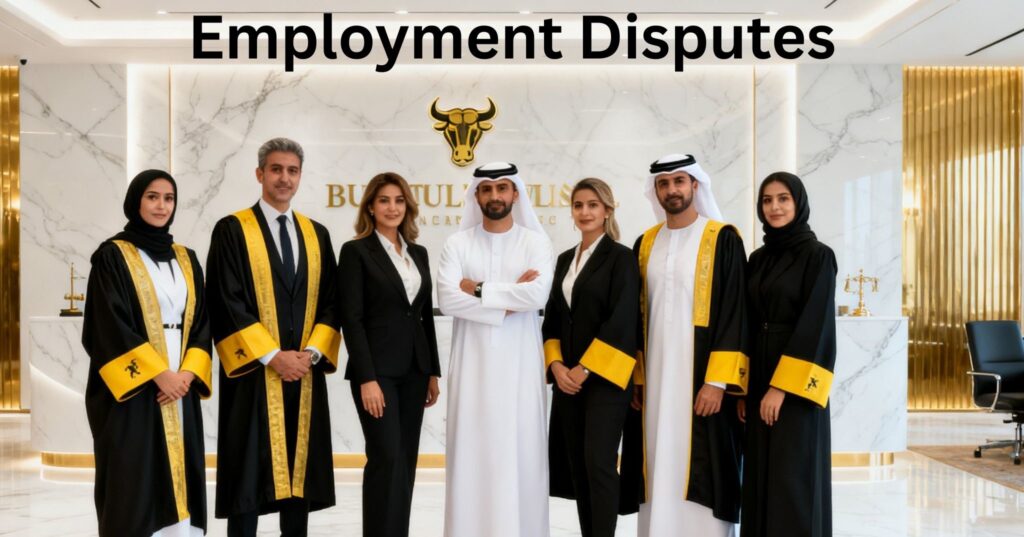
The dynamic nature of the UAE labor market, fueled by rapid economic growth and a diverse workforce, necessitates a robust and clear legal framework. At DubaiAdvocates.ae, led by Adv. Ibrahim Khaleel, we understand that workplace disagreements can be disruptive for both individuals and businesses. Whether you are an employer seeking to maintain compliance or an employee protecting your statutory rights, navigating the intricacies of the UAE’s labor laws requires professional precision and up-to-date knowledge.
The Evolving Landscape of UAE Labor Regulations
The legal framework governing employment in the UAE underwent a historic transformation with the introduction of Federal Decree-Law No. 33 of 2021 regarding the Regulation of Labour Relations. This law, which became effective in February 2022, replaced the long-standing Federal Law No. 8 of 1980, ushering in a more flexible and modern era of workplace regulation.
Subsequent amendments, most notably Federal Decree-Law No. 20 of 2023, have further refined the dispute resolution process, granting the Ministry of Human Resources and Emiratisation (MOHRE) expanded powers to issue final executive decisions on specific types of claims. These updates reflect the UAE’s commitment to creating a competitive, fair, and efficient labor market that attracts global talent while safeguarding the interests of all parties.
Understanding the Primary Legal Framework
The backbone of most employment relationships in the UAE mainland is Federal Decree-Law No. 33 of 2021. This law applies to the entire private sector, covering both UAE nationals and expatriates. It is supplemented by Cabinet Resolution No. 1 of 2022, which provides the implementing regulations necessary for the law’s day-to-day application.
Key Pillars of the Current Labor Law:
- Fixed-Term Contracts: The transition from unlimited to limited (fixed-term) contracts ensures greater clarity regarding the duration of employment and termination procedures.
- Non-Discrimination: Explicit prohibitions against discrimination based on race, color, gender, religion, national origin, or disability.
- Flexible Work Models: Recognition of part-time, temporary, and flexible work arrangements to suit the modern economy.
- Worker Protection: Enhanced protections against harassment, bullying, and the illegal seizure of employee documents (such as passports).
Jurisdiction and the Dispute Resolution Process
In the UAE, the path to resolving an employment conflict depends heavily on where the employer is licensed.
1. Mainland and Non-Financial Free Zones
For businesses operating under the jurisdiction of MOHRE, the dispute resolution process is mandatory and structured. According to Article 54 of Federal Decree-Law No. 33 of 2021 (as amended), a complaint must first be filed with the Ministry.
- Amicable Settlement: MOHRE initially attempts to mediate the dispute to reach a friendly settlement.
- MOHRE’s Final Decision: Under the 2023 amendment, MOHRE can issue a final, binding decision if:
- The total value of the claim is AED 50,000 or less.
- The dispute concerns a failure to abide by a previously reached amicable settlement, regardless of the amount.
- Court Referrals: If the claim exceeds AED 50,000 and mediation fails, the Ministry issues a transfer letter allowing the case to be heard by the UAE Courts (Labour Circuit).
2. DIFC and ADGM: Specialized Jurisdictions
Financial free zones like the Dubai International Financial Centre (DIFC) and Abu Dhabi Global Market (ADGM) have their own independent legal frameworks.
- DIFC: Governed by DIFC Employment Law No. 2 of 2019. Disputes are typically handled by the DIFC Courts, which operate under a common-law system.
- ADGM: Governed by the ADGM Employment Regulations 2024 (effective from April 2025, replacing the 2019 regulations). Disputes fall under the jurisdiction of the ADGM Courts.
Common Causes of Employment Disputes
Our experience at DubaiAdvocates.ae shows that most disputes arise from a misunderstanding of contractual obligations or statutory entitlements.
Unpaid Salaries and Benefits
Non-payment or delayed payment of wages is a significant violation. The UAE utilizes the Wage Protection System (WPS) to monitor payments, but disputes often arise regarding overtime pay, commissions, and bonuses.
Arbitrary Dismissal and Termination
While the concept of “arbitrary dismissal” has evolved under the new law, employers must still ensure that termination follows the due process outlined in Article 42 to Article 46 of the Decree-Law. Terminating an employee for filing a serious complaint against the employer is strictly prohibited and can lead to compensation claims.
End-of-Service Gratuity
Calculating the final settlement is a frequent point of contention. The gratuity is calculated based on the last basic salary for employees who have completed at least one year of continuous service. Errors in calculating “full years” vs. “pro-rata” portions often lead to legal challenges.
Non-Compete Clauses
Employers often include non-compete clauses to protect trade secrets. However, under Article 10 of the Decree-Law, these clauses are only valid if they are limited in time, geographical scope, and type of work, and are necessary to protect legitimate business interests.
Practical Steps in Handling a Dispute
If you find yourself in the midst of a workplace disagreement, the following steps are crucial:
- Review the Contract: Always refer back to the latest contract registered with MOHRE or the relevant Free Zone Authority.
- Documentation: Keep a meticulous record of all communications, including emails, WhatsApp messages, and pay slips.
- Formal Notice: Attempt to resolve the issue internally through a formal written notice before escalating.
- Timely Filing: Note that labor claims generally have a limitation period. Under the current law, claims are often not heard if more than one year has passed since the entitlement became due.
The Role of DubaiAdvocates.ae Lawyers and Legal Consultants
Navigating the nuances of UAE Federal Laws and the specific regulations of DIFC or ADGM requires a seasoned hand. Adv. Ibrahim Khaleel and the team at DubaiAdvocates.ae bring over 15 years of deep-rooted expertise to the table. We don’t just provide information; we offer strategic advocacy.
Our firm assists clients by:
- Drafting Compliant Contracts: Preventing disputes before they start by ensuring employment agreements align with the latest Decree-Laws.
- Strategic Representation: Representing clients during MOHRE mediation and before the Labour Courts to ensure their rights are aggressively defended.
- Compliance Audits: Helping corporations align their HR policies with Cabinet Resolution No. 1 of 2022 to mitigate the risk of regulatory fines.
- Negotiating Settlements: Leveraging our experience to reach favorable out-of-court settlements, saving time and resources.
Overview
English
Employment disputes in the UAE are primarily governed by Federal Decree-Law No. 33 of 2021. This law establishes the rights and duties of both employers and employees in the private sector. Disputes must first undergo mediation through the Ministry of Human Resources and Emiratisation (MOHRE). For claims under AED 50,000, MOHRE can issue a final decision. Larger claims are referred to the specialized Labour Courts. At DubaiAdvocates.ae, Adv. Ibrahim Khaleel provides expert guidance to navigate these complexities, ensuring compliance and protecting client interests in both mainland and free zone jurisdictions like DIFC and ADGM.
Arabic | العربية
تخضع منازعات التوظيف في دولة الإمارات العربية المتحدة بشكل أساسي للمرسوم بقانون اتحادي رقم 33 لسنة 2021 بشأن تنظيم علاقات العمل. يحدد هذا القانون حقوق وواجبات كل من أصحاب العمل والموظفين في القطاع الخاص. يجب أن تخضع النزاعات أولاً للوساطة من خلال وزارة الموارد البشرية والتوطين. بالنسبة للمطالبات التي تقل قيمتها عن 50,000 درهم إماراتي، يمكن للوزارة إصدار قرار نهائي. أما المطالبات الأكبر فتتم إحالتها إلى المحاكم العمالية المختصة. في “محامو دبي”، يقدم المستشار إبراهيم خليل توجيهات خبيرة للتنقل في هذه التعقيدات، مما يضمن الامتثال وحماية مصالح الموكلين في كل من المناطق التابعة لولاية المحاكم المحلية والمناطق الحرة مثل مركز دبي المالي العالمي وسوق أبوظبي العالمي.
French | Français
Les litiges du travail aux Émirats Arabes Unis sont régis par le décret-loi fédéral n° 33 de 2021. Ce cadre définit les droits et obligations des employeurs et des employés. Les litiges doivent d’abord faire l’objet d’une médiation auprès du MOHRE. Pour les demandes inférieures à 50 000 AED, le ministère peut rendre une décision finale. Les litiges plus importants sont portés devant les tribunaux du travail. DubaiAdvocates.ae, sous la direction de l’avocat Ibrahim Khaleel, offre une expertise pour naviguer dans ces procédures, que ce soit sur le territoire principal ou dans les zones franches comme le DIFC et l’ADGM.
Russian | Русский
Трудовые споры в ОАЭ в основном регулируются Федеральным декретом-законом № 33 от 2021 года. Этот закон устанавливает права и обязанности работодателей и работников в частном секторе. Споры должны сначала пройти процедуру медиации через Министерство трудовых ресурсов и эмиратизации (MOHRE). По искам на сумму менее 50 000 дирхамов ОАЭ Министерство может принять окончательное решение. Более крупные иски передаются в специализированные трудовые суды. В DubaiAdvocates.ae адвокат Ибрагим Халил предоставляет квалифицированную помощь в разрешении этих сложностей.
Chinese | 中文
阿联酋的劳动争议主要受2021年第33号联邦法令规范。该法律规定了私营部门雇主和雇员的权利与义务。争议必须首先通过人力资源和阿联酋化部(MOHRE)进行调解。对于金额低于50,000迪拉姆的索赔,该部可以做出最终裁决。较大的索赔则移交至专门的劳动法院。在DubaiAdvocates.ae,Ibrahim Khaleel律师提供专业指导,确保客户在大陆及DIFC和ADGM等自贸区的利益得到保护。
Italian | Italiano
Le controversie di lavoro negli Emirati Arabi Uniti sono regolate dal Decreto Legge Federale n. 33 del 2021. Questa legge stabilisce i diritti e i doveri di datori di lavoro e dipendenti. Le controversie devono prima essere sottoposte a mediazione presso il Ministero delle Risorse Umane (MOHRE). Per richieste inferiori a 50.000 AED, il Ministero può emettere una decisione finale. Le richieste di entità superiore vengono deferite ai tribunali del lavoro. DubaiAdvocates.ae offre consulenza specialistica per gestire queste procedure complesse.
Spanish | Español
Las disputas laborales en los EAU se rigen principalmente por el Decreto-Ley Federal n.º 33 de 2021. Esta ley establece los derechos y deberes de empleadores y empleados en el sector privado. Las disputas deben someterse primero a mediación a través del Ministerio de Recursos Humanos (MOHRE). Para reclamaciones inferiores a 50,000 AED, el Ministerio puede emitir una decisión final. Las reclamaciones mayores se remiten a los tribunali laborales. En DubaiAdvocates.ae, el abogado Ibrahim Khaleel ofrece orientación experta para navegar estas complejidades.
German | Deutsch
Arbeitsrechtliche Streitigkeiten in den VAE werden primär durch das Bundesdekret-Gesetz Nr. 33 von 2021 geregelt. Dieses Gesetz legt die Rechte und Pflichten von Arbeitgebern und Arbeitnehmern im Privatsektor fest. Streitigkeiten müssen zunächst eine Mediation durch das Arbeitsministerium (MOHRE) durchlaufen. Bei Forderungen unter 50.000 AED kann das Ministerium eine endgültige Entscheidung treffen. Größere Forderungen werden an die Arbeitsgerichte verwiesen. DubaiAdvocates.ae bietet fachkundige Beratung zur Bewältigung dieser rechtlichen Herausforderungen.
Hebrew | עברית
סכסוכי עבודה באיחוד האמירויות מוסדרים בעיקר על ידי צו-חוק פדרלי מס’ 33 משנת 2021. חוק זה קובע את הזכויות והחובות של מעסיקים ועובדים במגזר הפרטי. סכסוכים חייבים לעבור תחילה גישור באמצעות משרד משאבי האנוש (MOHRE). בתביעות מתחת ל-50,000 דירהם, המשרד רשאי לקבל החלטה סופית. תביעות גדולות יותר מועברות לבתי הדין לעבודה. ב-DubaiAdvocates.ae, עו”ד איברהים ח’ליל מספק ליווי מקצועי לניווט במורכבויות אלו.
Turkish | Türkçe
BAE’deki istihdam uyuşmazlıkları temel olarak 2021 tarihli ve 33 sayılı Federal Kararname-Kanun ile düzenlenmektedir. Bu kanun, özel sektördeki işveren ve çalışanların hak ve yükümlülüklerini belirler. Uyuşmazlıklar öncelikle İnsan Kaynakları ve Emirlestirme Bakanlığı (MOHRE) aracılığıyla arabuluculuğa tabi tutulmalıdır. 50.000 AED’nin altındaki talepler için Bakanlık nihai karar verebilir. Daha büyük talepler ise uzmanlık mahkemelerine sevk edilir. DubaiAdvocates.ae’de Avukat Ibrahim Khaleel, bu süreçlerde uzman rehberlik sunmaktadır.
Afrikaans | Afrikaans
Indiensnemingsgespille in die VAE word hoofsaaklik gereguleer deur Federale Dekreetwet No. 33 van 2021. Hierdie wet stel die regte en pligte van beide werkgewers en werknemers in die privaatsektor vas. Gespille moet eers mediasie ondergaan deur die Ministerie van Menslike Hulpbronne (MOHRE). Vir eise onder AED 50,000 kan die Ministerie ‘n finale besluit neem. Groter eise word na die gespesialiseerde Arbeidshowe verwys. DubaiAdvocates.ae bied kundige leiding om hierdie kompleksiteite te navigeer.
Filipino | Filipino
Ang mga hindi pagkakasundo sa trabaho sa UAE ay pangunahing pinamamahalaan ng Federal Decree-Law No. 33 ng 2021. Itinatakda ng batas na ito ang mga karapatan at tungkulin ng mga employer at empleyado sa pribadong sektor. Ang mga hindi pagkakasundo ay dapat munang dumaan sa mediation sa pamamagitan ng Ministry of Human Resources (MOHRE). Para sa mga claim na mababa sa AED 50,000, ang MOHRE ay maaaring maglabas ng pinal na desisyon. Ang mas malalaking claim ay dinadala sa mga specialized Labour Court. Sa DubaiAdvocates.ae, si Adv. Ibrahim Khaleel ay nagbibigay ng dalubhasang gabay sa mga ganitong usapin.
Frequently Asked Questions
- What is the deadline for filing a labor complaint in the UAE?
Under the new law, a claim for rights arising from an employment relationship is typically barred by the statute of limitations if filed more than one year after the entitlement became due.
- Can an employer terminate an employee without notice?
Only under specific conditions listed in Article 44 of the Decree-Law (e.g., identity theft, causing substantial loss, or reporting for work under the influence). Otherwise, notice periods must be respected.
- Is end-of-service gratuity mandatory for part-time employees?
Yes, part-time employees are entitled to gratuity on a pro-rata basis as specified in the implementing regulations.
- What happens if MOHRE cannot resolve the dispute?
MOHRE will issue a transfer certificate, allowing the party to file a case in the Labour Court within 14 days of the certificate’s issuance.
- Does the UAE Labour Law apply to domestic workers?
No, domestic workers are governed by a separate legal framework, Federal Decree-Law No. 21 of 2023.
- Can an employee work for another employer during a dispute?
An employee may apply for a temporary work permit from MOHRE while their case is pending in court, subject to certain conditions.
- Is a non-compete clause enforceable if I am terminated?
It depends on the reasonableness of the clause and whether the termination was lawful. If the employer breached the contract, the non-compete might become void.
- What is the maximum probation period in the UAE?
The probation period cannot exceed six months. Employers must provide 14 days’ notice to terminate during probation.
- Can an employer deduct visa costs from an employee’s salary?
No, under UAE law, the employer is responsible for all recruitment and visa-related costs. Deducting these from the employee is illegal.
- What is the “Amicable Settlement” process?
It is a mandatory mediation phase conducted by MOHRE legal researchers to help parties reach a compromise without going to court.
- Are DIFC court decisions enforceable in mainland Dubai?
Yes, there is a mechanism for the mutual enforcement of judgments between DIFC Courts and Dubai Courts.
- Can an employee resign without notice during the probation period?
Yes, but they must provide at least 30 days’ written notice if they intend to join another employer in the UAE, or 14 days if leaving the country.
- What is the penalty for “Absconding” (Escape) reports?
False absconding reports are treated seriously. If an employer files a malicious report, they can face significant fines.
- Are annual leave balances paid out upon termination?
Yes, employees are entitled to payment for accrued but unused annual leave based on their basic salary.
- Can an employer hold my passport during a dispute?
No. Withholding a passport is illegal and can be reported to both MOHRE and the police.
Sum-up
Navigating the complexities of employment disputes in the UAE requires a deep understanding of the Federal Decree-Law No. 33 of 2021 and the specialized procedures of authorities like MOHRE, the DIFC, and the ADGM. With the 2023 amendments providing more executive power to the Ministry for smaller claims, the legal landscape is more efficient than ever. However, the importance of accurate documentation and professional legal representation cannot be overstated. At DubaiAdvocates.ae, we are committed to providing the clarity and advocacy needed to resolve workplace conflicts effectively.
Call to Action (CTA):
Email: file@dubaiadvocates.ae
Phone/WhatsApp: +971561663345
Website: https://dubaiadvocates.ae/
Disclaimer:
“This content is for general informational purposes only and does not constitute legal advice. For advice specific to your situation, consult a qualified legal professional in the UAE.”
Category
Get in touch
contact us
+971561663345
Send us a email
file@dubaiadvocates.ae
Contact with us
+971561663345
Our office location
Le Solarium Tower, Level 13, Office 13, Dubai Silicon Oasis, Dubai.
A licensed UAE law firm advising individuals and businesses across corporate law, criminal defence, real estate, employment, family law, and commercial disputes — throughout UAE onshore courts, DIFC, and ADGM.
pages
- Home
- About us
- Services
- Cases study
- Lawyer
- Contact us
Services
- Family law
- Accident law
- Tax law
- Insurance law
- Divorce law
- Business law
Working hour
- Monday - Friday
- 09:00 am - 07:00 pm