- +971561663345
- file@dubaiadvocates.ae
- Mon-Fri 9:00 am - 7:00 pm

Hospitality and Tourism
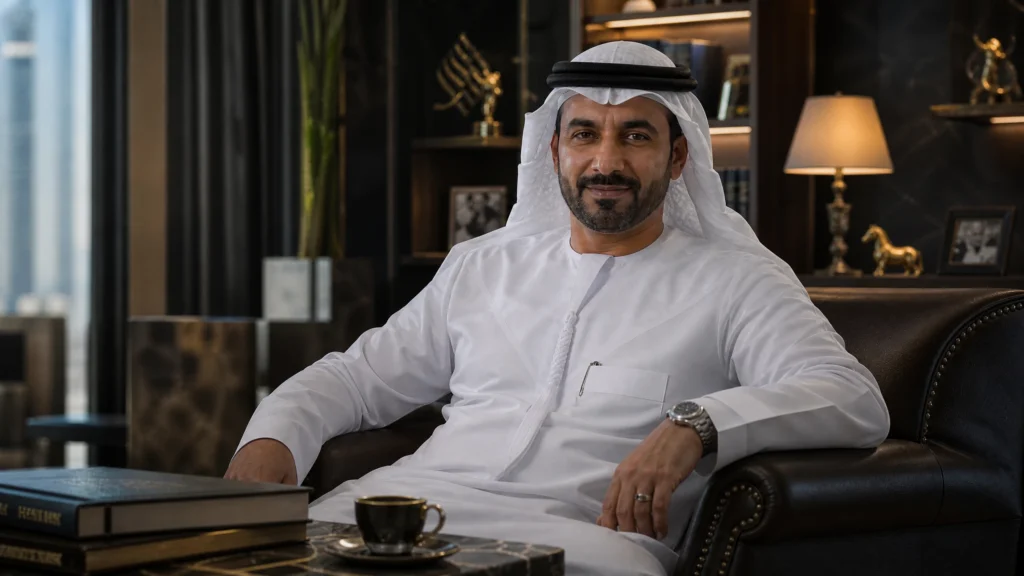
The United Arab Emirates has firmly established itself as a premier global destination for leisure and business travel. At the heart of this success is a robust, world-class regulatory framework designed to ensure safety, quality, and fair competition. For investors, operators, and stakeholders, navigating the legal complexities of this sector requires a deep understanding of both Federal mandates and Emirate-specific decrees.
Under the expert guidance of Adv. Ibrahim Khaleel, our firm, DubaiAdvocates.ae, has spent decades assisting international hotel chains, boutique tour operators, and tourism tech startups in aligning their operations with the evolving UAE legal standards. As the landscape shifts toward increased sustainability and digital transparency in 2026, staying ahead of compliance is not merely a legal obligation—it is a strategic advantage.
The Regulatory Framework Governing Hospitality and Tourism
The legal architecture for tourism in the UAE is multi-tiered. While Federal Decree-Law No. 11 of 2021 on the Regulation of Tourism (and its subsequent updates) provides a national baseline for standards and data collection, the executive power often resides with local authorities.
In Dubai, the primary governing body is the Department of Economy and Tourism (DET), which consolidated the roles of the former Department of Tourism and Commerce Marketing (DTCM). This authority is responsible for the licensing, classification, and inspection of all hotel establishments. Furthermore, free zones like the Dubai International Financial Centre (DIFC) and Abu Dhabi Global Market (ADGM) may have their own specific regulations regarding commercial operations within their jurisdictions, particularly for high-end hospitality entities catering to a global financial clientele.
Licensing and Classification Standards for Hotel Establishments
One of the most critical legal hurdles for new entrants is the rigorous classification process. Under Dubai Decree No. 17 of 2013, no hotel establishment—whether a luxury resort, hotel apartment, or guest house—can operate without a valid license and a specific star rating assigned by the DET.
Mandatory Operational Requirements:
- Physical Infrastructure: Minimum room dimensions (typically 30 square meters for standard rooms) and accessibility features must be met before a license is granted.
- Management Qualifications: Article 10 of Decree No. 17 of 2013 mandates that hotel managers must hold relevant academic degrees and have a minimum of 3 to 4 years of verified hospitality experience.
- Security Integration: All establishments must integrate with the Dubai Police “Sira” system for guest identification and data security, ensuring a safe environment for all visitors.
Consumer Protection and Guest Rights in the Service Sector
The relationship between a guest and a hotel is governed by Federal Decree-Law No. 15 of 2020 on Consumer Protection (as amended by Federal Decree-Law No. 5 of 2023). This law guarantees guests the right to a standard quality of service and protection against misleading advertisements.
A key legal area often discussed with our clients involves the transparency of pricing. Hotels are legally required to provide dated invoices in Arabic (with an optional second language) that clearly state the service price, including the Tourism Dirham Fee. This fee, regulated under Administrative Resolution No. (2) of 2020 in Dubai, is a mandatory charge per room night that establishments must collect and remit to the DET. Failure to clearly disclose these fees can lead to significant penalties under consumer protection statutes.
Emerging Public Safety and Sustainability Regulations in 2026
The UAE continues to innovate its legal framework to meet global challenges. Two significant updates in 2026 have redefined operational compliance for the tourism sector:
- Dubai Law No. 2 of 2026 on Public Safety: Effective from June 1, 2026, this law introduces unified safety standards for venues and events. It places strict obligations on operators to maintain crowd control, fire safety systems, and emergency evacuation plans. Fines for non-compliance can reach up to AED 1 million.
- The Unified Eco-Pact (Sustainability Mandate): As of January 2026, all hotels must adhere to a mandatory sustainability framework. This involves strict tracking of greenhouse gas emissions and waste management, aligning with the UAE’s “Net Zero 2050” strategic initiative.
Dispute Resolution: Dubai Courts vs. DIFC Courts
When contractual disputes arise—whether regarding lease agreements, management contracts, or employment issues—the choice of jurisdiction is vital.
- Dubai Courts: Generally follow a civil law system based on UAE Federal Laws, with proceedings conducted in Arabic. They are the default forum for mainland hospitality businesses.
- DIFC Courts: An independent, English-language common law judiciary. Many international hospitality brands prefer DIFC jurisdiction for its familiarity with international commercial principles, particularly for complex arbitration and high-value investment disputes.
Our team at DubaiAdvocates.ae provides strategic counsel on selecting the appropriate forum during contract drafting to mitigate future litigation risks.
Navigating Labor and Residency Laws for Tourism Staff
The hospitality industry is labor-intensive, making compliance with Federal Decree-Law No. 33 of 2021 on the Regulation of Labor Relations essential. In 2026, the Ministry of Human Resources and Emiratisation (MoHRE) has simplified labor mobility, but the core requirements for work permits and medical fitness tests remain non-negotiable.
Furthermore, the introduction of the 5-Year Multiple-Entry Tourist Visa and the Tourist Identity initiative by the Central Bank allows visitors to open digital bank accounts. These legal advancements have blurred the lines between “tourist” and “remote worker,” necessitating clear legal advice for establishments hosting long-stay guests who may also be conducting business.
The Role of DubaiAdvocates.ae Lawyers and Legal Consultants
Operating in the UAE’s hospitality sector requires more than just business acumen; it requires a shield of legal protection. Adv. Ibrahim Khaleel and our team of seasoned legal consultants offer a comprehensive suite of services:
- Corporate Structuring: Advising on 100% foreign ownership options under the latest DET guidelines.
- Regulatory Liaison: Assisting with clearances from Dubai Municipality, Dubai Civil Defence, and the Ministry of Economy.
- Contract Drafting: Negotiating Hotel Management Agreements (HMAs) and Franchise Agreements that protect your interests under both UAE and international law.
- Compliance Audits: Ensuring your establishment meets the 2026 Public Safety and Sustainability mandates.
Overview
English:
The UAE hospitality sector is governed by a mix of Federal laws and Emirate-specific decrees, such as Dubai Decree No. 17 of 2013. Compliance with DET standards, consumer protection laws, and the new 2026 Public Safety Law is mandatory for all operators.
Arabic (العربية):
يتم تنظيم قطاع الضيافة في الإمارات من خلال مزيج من القوانين الاتحادية والمراسيم المحلية، مثل مرسوم دبي رقم 17 لسنة 2013. يعد الالتزام بمعايير دائرة الاقتصاد والسياحة، وقوانين حماية المستهلك، وقانون السلامة العامة الجديد لعام 2026 إلزامياً لجميع المشغلين.
French (Français):
Le secteur de l’hôtellerie aux EAU est régi par des lois fédérales et des décrets spécifiques, comme le décret 17/2013 de Dubaï. La conformité aux normes du DET et à la nouvelle loi de 2026 sur la sécurité publique est obligatoire.
Russian (Русский):
Сектор гостеприимства в ОАЭ регулируется федеральными законами и указами эмиратов, такими как Указ Дубая № 17 от 2013 года. Соблюдение стандартов DET и нового закона о общественной безопасности 2026 года обязательно.
Chinese (中文):
阿联酋酒店业受联邦法律和特定酋长国法令(如迪拜 2013 年第 17 号法令)管辖。所有运营商必须遵守 DET 标准和 2026 年新公共安全法。
Italian (Italiano):
Il settore dell’ospitalità negli Emirati Arabi Uniti è disciplinato da leggi federali e decreti locali, come il Decreto di Dubai n. 17 del 2013. La conformità agli standard DET e alla legge sulla sicurezza pubblica del 2026 è obbligatoria.
Spanish (Español):
El sector de la hospitalidad en los EAU se rige por leyes federales y decretos de cada emirato, como el Decreto de Dubái N.º 17 de 2013. El cumplimiento de las normas del DET y la ley de seguridad pública de 2026 es obligatorio.
German (Deutsch):
Der Hotelsektor in den VAE wird durch Bundesgesetze und emiratspezifische Dekrete wie das Dekret Nr. 17 von 2013 geregelt. Die Einhaltung der DET-Standards und des neuen Sicherheitsgesetzes von 2026 ist für Betreiber zwingend.
Hebrew (עברית):
מגזר האירוח באיחוד האמירויות מוסדר על ידי חוקים פדרליים וצווים מקומיים. עמידה בתקני DET ובחוק הבטיחות הציבורית החדש של 2026 היא חובה לכל המפעילים.
Turkish (Türkçe):
BAE konaklama sektörü, Federal yasalar ve Dubai 2013 tarihli 17 Sayılı Kararname gibi emirlik kararnameleriyle yönetilmektedir. DET standartlarına ve 2026 Kamu Güvenliği Yasasına uyum zorunludur.
Afrikaans:
Die gasvryheidsektor in die VAE word gereguleer deur federale wette en spesifieke dekrete. Voldoening aan DET-standaarde en die nuwe 2026 Openbare Veiligheidswet is verpligtend vir alle operateurs.
Filipino (Tagalog):
Ang sektor ng hospitality sa UAE ay pinamamahalaan ng mga batas Federal at mga dekreto ng Emirate. Ang pagsunod sa mga pamantayan ng DET at sa bagong 2026 Public Safety Law ay mandatory para sa lahat.
Frequently Asked Question
What is the main authority for tourism in Dubai?
The Department of Economy and Tourism (DET) is the primary regulatory body.
- Can a foreigner own 100% of a hotel in Dubai?
Yes, under the 2021 Commercial Companies Law amendments, 100% foreign ownership is available for most mainland tourism activities.
- What is the Tourism Dirham Fee?
It is a mandatory tax per room night ranging from AED 7 to AED 20, depending on the hotel category.
- Is the Sira system mandatory?
Yes, all hotels must integrate with the Dubai Police Sira system for security and guest data.
- What is the penalty for operating without a tourism license?
Substantial fines and immediate closure of the premises by the DET.
- Do I need a separate license for a hotel restaurant?
Yes, specific food and beverage permits from the Dubai Municipality are required.
- Can I serve alcohol in my hotel?
Alcohol service requires a specific permit from both the DET and Dubai Police.
- What is the new 2026 Public Safety Law?
It is a unified framework (Law No. 2 of 2026) that sets strict safety and crowd management standards for public venues.
- Are hotel classification ratings permanent?
No, the DET conducts regular inspections and can upgrade or downgrade ratings based on compliance.
- How does the Unified Eco-Pact affect my hotel?
It requires mandatory tracking of carbon emissions and waste, starting in 2026.
- Can hospitality disputes be settled in the DIFC Courts?
Yes, provided there is an agreement between the parties to use DIFC jurisdiction.
- What are the manager requirements for a 5-star hotel?
A relevant degree and at least 4 years of documented senior experience in hospitality.
- Is guest data privacy protected?
Yes, Federal Decree-Law No. 45 of 2021 on Personal Data Protection applies to guest records.
- What happens if a guest damages hotel property?
The hotel can seek compensation under the Civil Transactions Law, often facilitated by a police report for significant damage.
- Can I host live entertainment in my lobby?
Only if you possess an entertainment permit issued by the DET.
Sum-up
The UAE’s hospitality and tourism industry remains one of the most dynamic sectors globally, backed by a legislative framework that prioritizes safety, innovation, and guest satisfaction. From the foundational requirements of Dubai Decree No. 17 of 2013 to the progressive sustainability and public safety mandates of 2026, compliance is the bedrock of success. Navigating these waters requires local expertise and a proactive approach to legal management.
Call to Action (CTA):
Email: file@dubaiadvocates.ae Phone/WhatsApp: +971561663345 Website: https://dubaiadvocates.ae/
Disclaimer:
“This content is for general informational purposes only and does not constitute legal advice. For advice specific to your situation, consult a qualified legal professional in the UAE.”
Send us a email
file@dubaiadvocates.ae
Contact with us
Our office location
Le Solarium Tower, Level 13, Office 13, Dubai Silicon Oasis, Dubai.
A licensed UAE law firm advising individuals and businesses across corporate law, criminal defence, real estate, employment, family law, and commercial disputes — throughout UAE onshore courts, DIFC, and ADGM.
Working hour
- Monday - Friday
- 09:00 am - 07:00 pm